
The question hits different when you're standing in front of your closet at 2AM.
What speaks for you when words fail?
Every creative knows this moment. The choice between art and attitude. Between the graphic that screams everything and the statement piece that whispers everything else.
It's not about fashion. Never was.
It's about identity in cloth form. About what you wear when the world needs to know who you really are.
The Graphic Tee Revolution
Graphic tees don't just communicate: they declare.
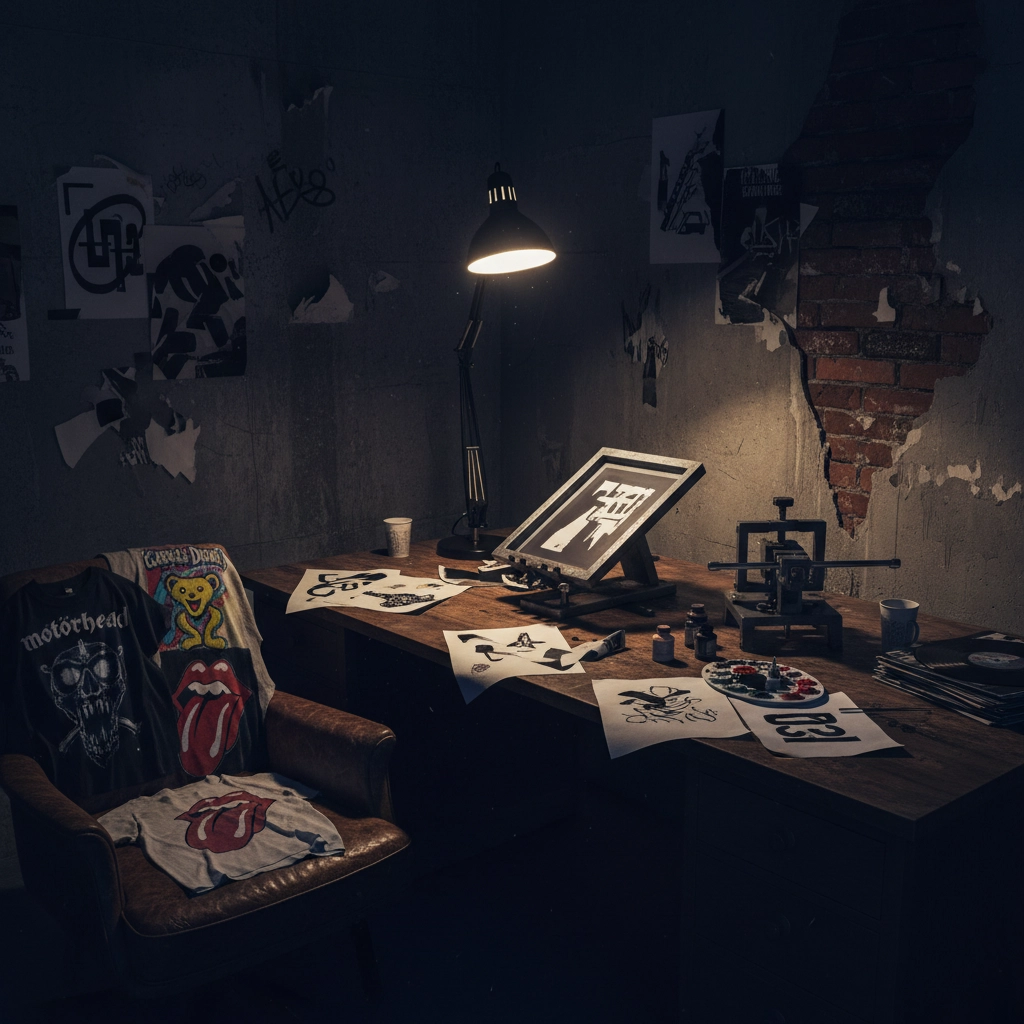
They started in garages and basements. Screen-printed rebellion on fifty-cent blanks. The kind of underground art that couldn't be bought in department stores because it didn't exist there yet.
Still doesn't, really.
The real ones come from places like late-night creative sessions. From artists who understand that clothing is just another canvas. From brands that get it: that a graphic tee isn't merchandise. It's a manifesto you can wear to the grocery store.
Visual storytelling at its rawest.
When you throw on something like the Love Grows Tee, you're not just getting dressed. You're broadcasting a frequency. The design works before you even speak. It initiates conversations with strangers who get it. Creates instant recognition among the tribe you didn't know you were looking for.
The beauty lives in the details. Bold graphics that stop traffic. Minimalist symbols that reward closer inspection. Embroidered elements that feel different under your fingers. Each choice deliberate. Each element building the story you want to tell.
Statement Pieces: The Quiet Power Play
But statement pieces? They operate differently.
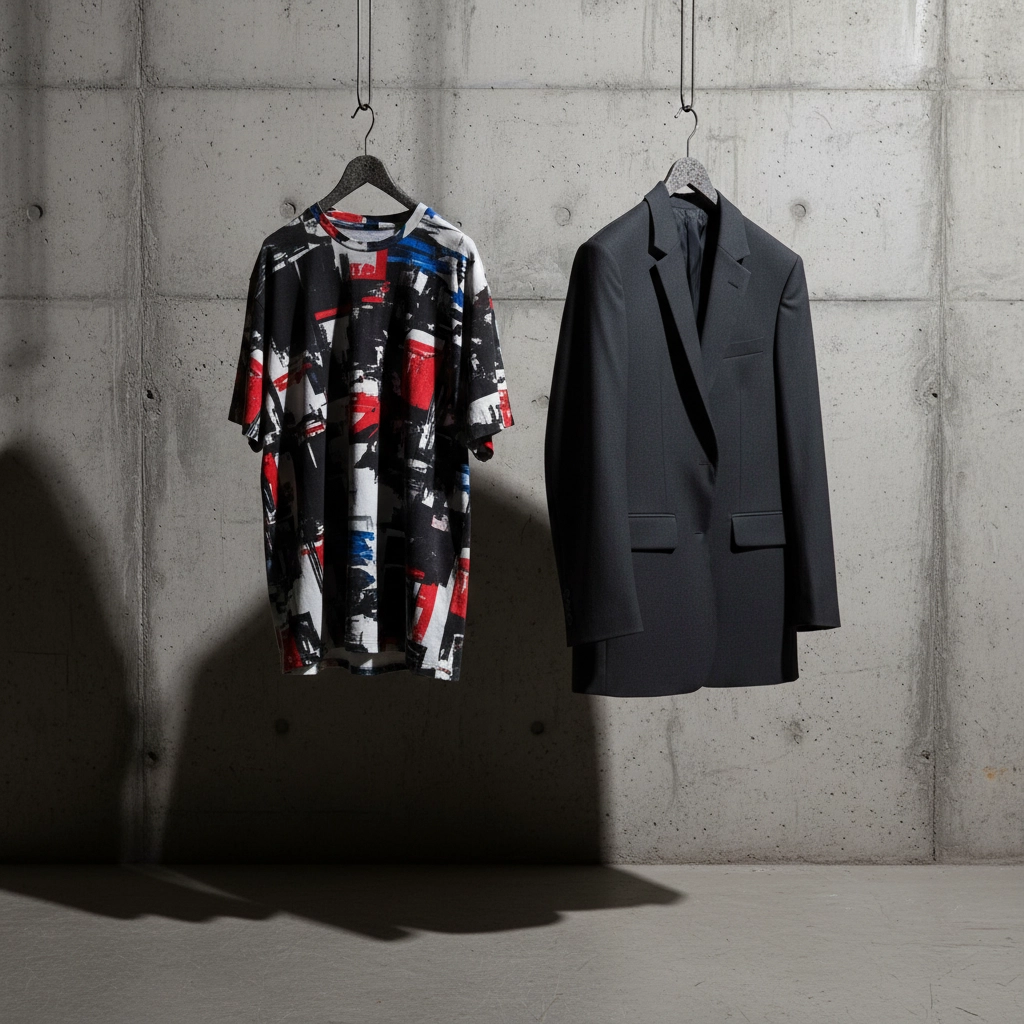
Statement pieces are the oversized blazer that transforms your entire silhouette. The vintage band jacket that carries decades of music history. The custom hoodie that exists nowhere else. They don't need graphics to make noise: their presence does the talking.
Architectural rebellion.
Statement pieces build identity through form, not imagery. Through unexpected proportions and surprising textures. Through the confidence it takes to wear something that demands space in the room.
Think about it. A perfectly cut oversized shirt changes how you move. How others perceive you. How you perceive yourself. The statement isn't printed on: it's built in.
The power hides in subtlety. In the kind of pieces that make people ask where you got them. In clothing that photographs differently from every angle. In the quiet confidence of wearing something that doesn't need to explain itself.
Where They Clash (And Where They Connect)
Here's where it gets interesting.
Graphic tees are democracy. Accessible art. The kind of creative expression that doesn't require a trust fund or connections. You can find incredible designs for the price of lunch. Build an entire visual identity on a student budget.
Statement pieces demand investment. Time. Money. The kind of pieces you save for. Hunt for. The ones that become part of your uniform because you can only afford to get them right once.
But both require courage.
The courage to be seen. To stand out. To let your clothing speak before you do.
Graphic tees let you experiment. Try on different identities. Support different artists. Change your message as often as your mood. They're forgiving that way. Flexible. Ready for whatever version of yourself shows up.
Statement pieces ask for commitment. They become part of your signature. The thing people remember about your style. The element that makes your outfit yours instead of just clothes.
The Community Question
Both create belonging, but differently.
Graphic tees build community around shared symbols. Band shirts at concerts. Art prints in coffee shops. Political statements on campus. They're tribal identifiers. Ways to find your people in crowds of strangers.
Wear a Real Rulers Tee and watch what happens. The knowing nods. The conversations that start themselves. The instant recognition between people who think differently about power and creativity.
Statement pieces create community through appreciation. Through the kind of style that gets noticed by people who notice style. They're conversation starters for different conversations. About craft. About design. About the story behind the piece.
Different tribes. Same need for connection.
The Creative Identity Test
So which builds creative identity better?
Wrong question.
The right question: Which builds your creative identity better?
If you're the type who changes creative focus every season, graphic tees give you the flexibility to evolve. To try on different aesthetics without committing your entire wardrobe budget. To support emerging artists and underground movements as you discover them.
If you're the type who knows exactly who you are and wants your style to reflect that consistency, statement pieces create the kind of signature look that becomes part of your personal brand. The uniform that lets your work speak louder than your clothes.
But here's the secret: the best creative identities use both.
The MERLE.LTD Approach
We've always believed in the power of the graphic tee. But not just any graphic tee.
The kind that bridges both worlds. Designs that function as statement pieces. Art that demands attention without screaming for it. Pieces like the Messy Heart Magic Soul Tee that work as both visual communication and wardrobe anchors.
Rebellious enough to be different. Refined enough to be signature.
When you create graphics with the intention of statement pieces: with attention to typography, composition, and meaning: you get clothing that works on both levels. Accessible art that doesn't compromise on impact.
The Real Answer
The question isn't graphic tees versus statement pieces.
It's about understanding what each brings to your creative identity toolkit.
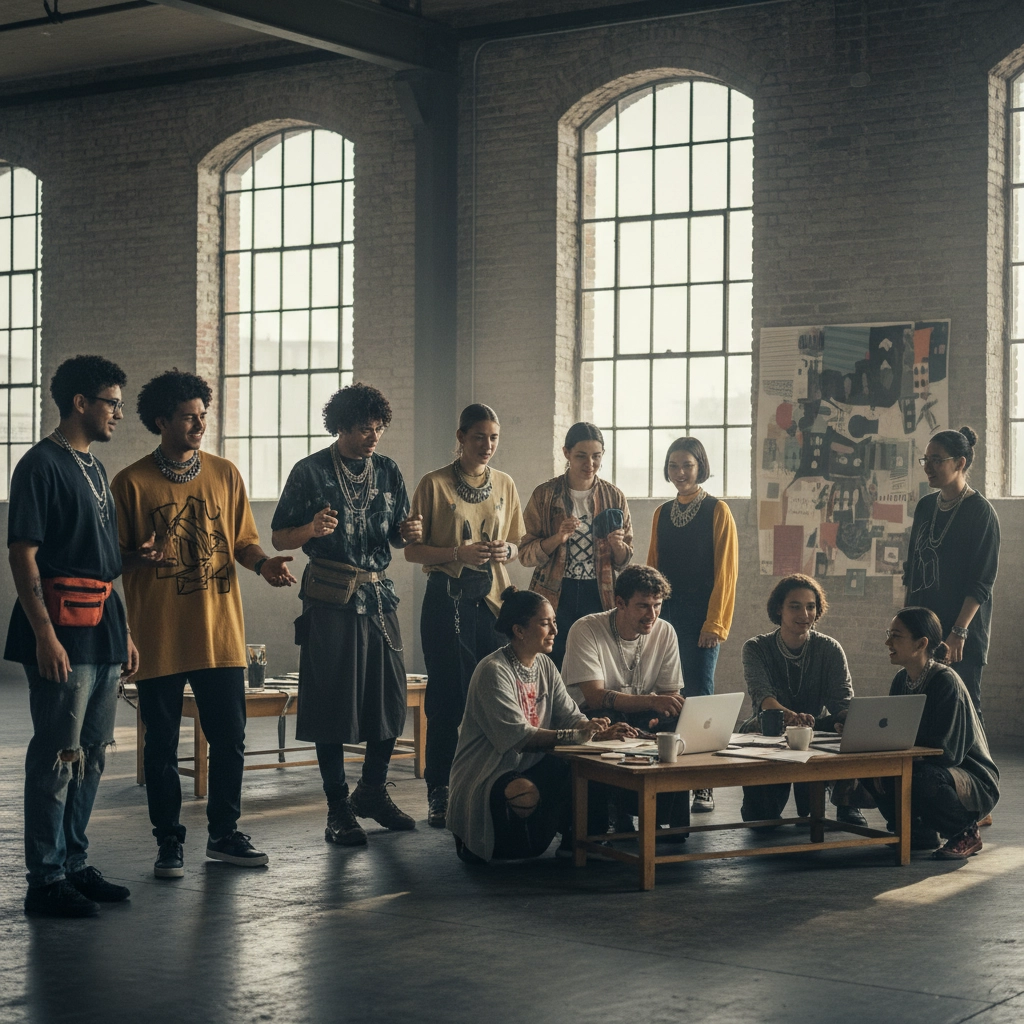
Graphic tees are your creative vocabulary. The words and images that let you communicate complex ideas instantly. They're for the days when you want your clothing to start conversations, build connections, and broadcast your current creative obsessions.
Statement pieces are your creative grammar. The structure that gives weight and meaning to everything else you wear. They're for the moments when you want your presence to make the statement before any graphics come into play.
The most powerful creative identities speak both languages.
They know when to let the art do the talking and when to let the silhouette handle the conversation. When to be accessible and when to be exclusive. When to be obvious and when to be mysterious.
Your creative identity isn't built by choosing sides.
It's built by choosing intentionally. By understanding that some days call for graphics and some days call for cut lines. Some moments need the democracy of screen-printed art and others need the luxury of architectural design.
The creatives who get remembered? They master both.
They know that building identity isn't about following rules or choosing camps. It's about curating a visual language that evolves with your art, your growth, and your understanding of who you're becoming.
Still creating. Still choosing. Still becoming.